How Remote and Flexible Work Is Changing in Egypt (2026)
By The Circle team · Updated · 6 min read
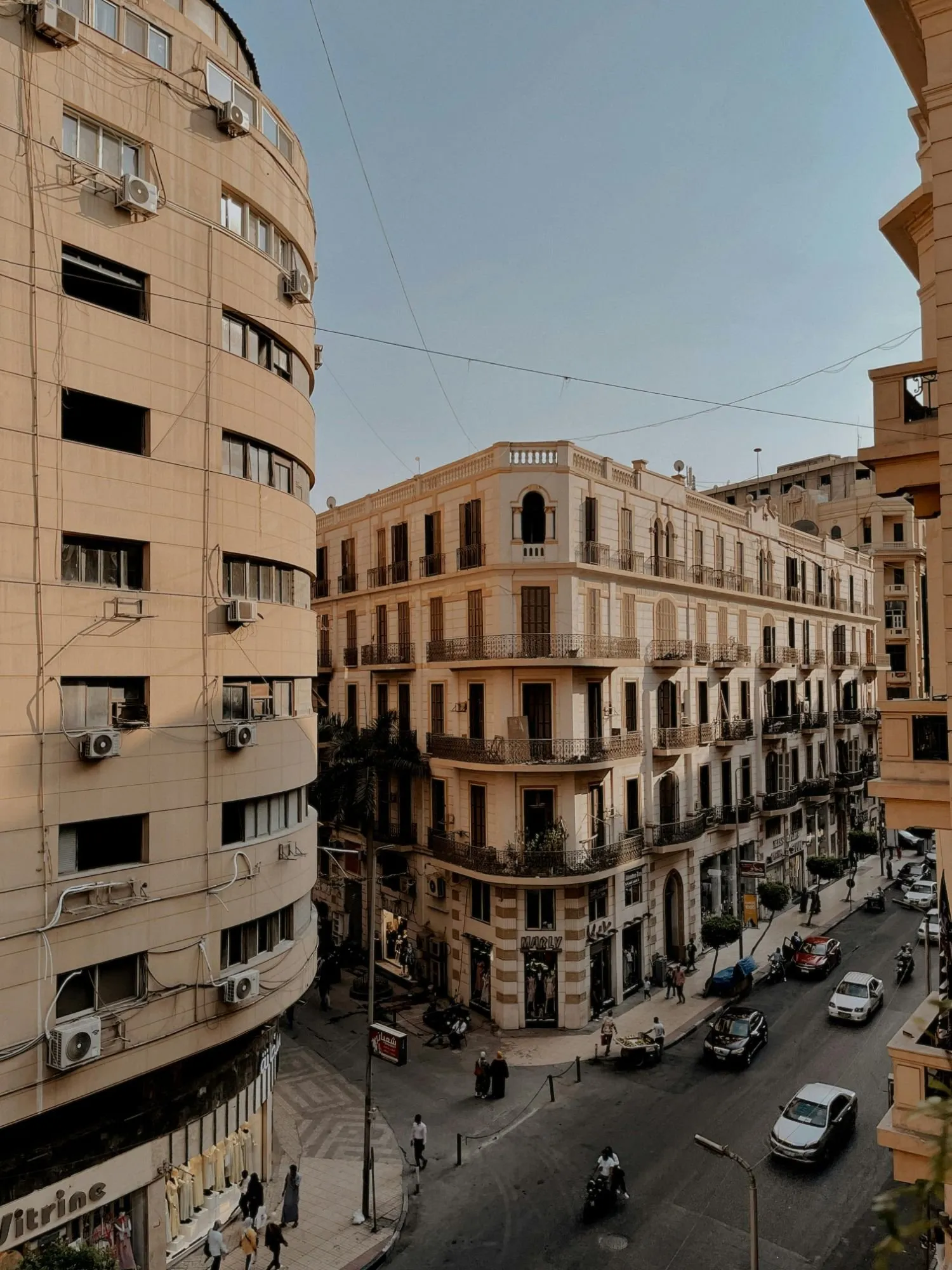
Working for clients abroad from Alexandria has become ordinary. Software developers, designers, customer support agents, accountants and sales teams in the city work for clients they may never meet in person. Here is what is driving that shift and what it means for where people work.
Digital work is now an export industry
Egypt treats digital services as a major export. ITIDA, the government’s IT industry agency, reports offshoring services exports of about US$5.2 billion in 2025, and a November 2025 offshoring summit produced 55 new agreements expected to create more than 70,000 jobs. The Middle East Observer notes that official figures vary depending on what is counted, but all of them point the same way.
Much of that work is done in delivery centres and back offices. A growing share is done by individuals and small teams working directly for clients abroad.
Freelancers are part of the plan
The government now treats freelancers as part of its export strategy. ITIDA has said it is preparing incentive packages for digital freelancers, and Law No. 6 of 2025 introduced a simplified tax regime for small businesses and self-employed people with turnover under EGP 20 million. Together, they lower the cost of working formally.
What has changed about where people work
Home is not enough. Working from home saved commutes, but many people found that noise, family life, power cuts and the lack of a proper desk made long-term home working hard.
Cafés are a stopgap. They are fine for an hour, but unreliable for a full day of calls.
Hybrid teams want flexible space. Companies with staff in Alexandria often do not need a full office every day. They need a base for the people who come in daily and rooms to meet in when the whole team gathers.
Small teams want to start fast. A three-person startup does not want a five-year lease and three months of fit-out before it can work.
What this means in practice
| Who | What tends to work |
|---|---|
| Freelancer working a few days out of home | Day or shift passes |
| Remote employee working most days | A dedicated desk |
| Startup of four to six people | A private office |
| Company team of 20 or more | A managed back office |
| Remote team meeting quarterly | A meeting room for a half or full day |
Where it goes next
Expect more companies to hire in Alexandria directly, through their own entity or an employer of record, and more of those teams to work from managed offices rather than leases. Expect flexible terms to matter more than long contracts, and reliable internet and power to matter more than a prestige address.
At The Circle we see this every day: freelancers on day passes, remote employees on dedicated desks and company teams in private offices, all in the same buildings in Roushdy and Kafr Abdo. Book a free tour to see how it works.