Freelancing from Alexandria: Payments, Taxes and Where to Work (2026)
By The Circle team · Updated · 8 min read
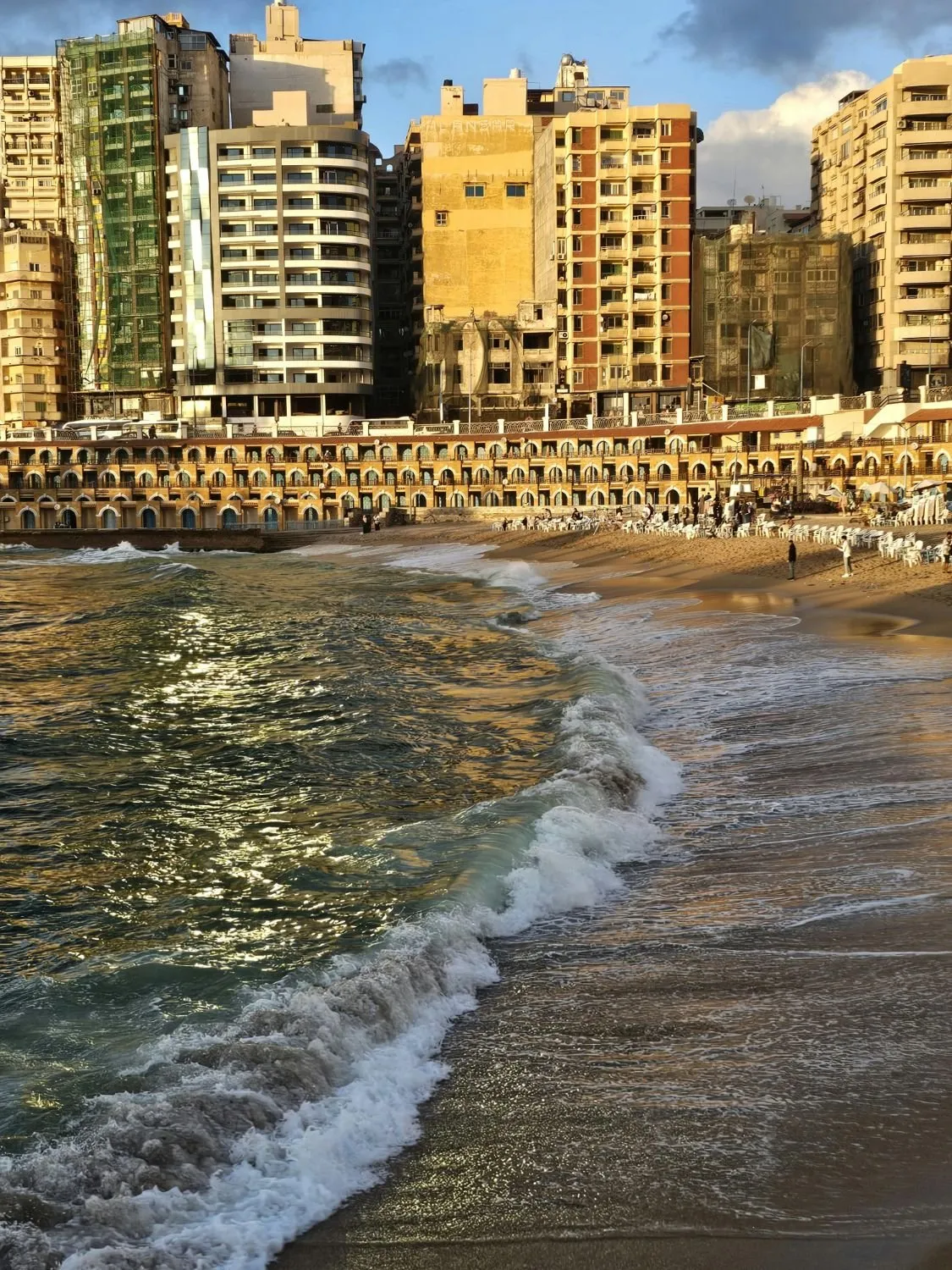
Alexandria is a good city to freelance from: costs are reasonable, the internet is improving, and clients in Europe and the Gulf are a few time zones away. The work itself is the easy part. Getting paid, staying on the right side of the tax authority and finding somewhere to focus take more planning. This guide covers all three.
Freelancing is now official policy
Egypt’s government sees freelancers as part of its digital export plan. ITIDA, the agency for the IT industry, has said it is preparing incentive packages for digital freelancers to help them compete globally. That makes it a good time to formalise how you work.
Getting paid from abroad
Most Alexandria freelancers are paid by clients or platforms abroad. The common routes in 2026:
| Method | Good for | Watch out for |
|---|---|---|
| Payoneer | Upwork, Fiverr and many marketplaces; withdraw to an Egyptian bank | Fees to receive, withdraw and convert currency add up |
| Wise | Direct client payments in USD, EUR or GBP | Check which receiving features are available for Egyptian accounts |
| International bank transfer (SWIFT) | Large, one-off invoices | Bank charges on both sides and slower arrival |
| PayPal | Occasional small payments | Restrictions on withdrawing to local banks |
Payment providers publish their own fees and change them often, so compare the total cost of a typical invoice before you choose. Egyptian law allows individuals to hold foreign-currency accounts and receive transfers from abroad, so ask your bank about a USD account to avoid converting every payment.
Registering with the tax authority
Freelancing income is taxable in Egypt. According to Enterprise’s 2026 guide, a freelancer generally has 30 days from starting work to register with the Egyptian Tax Authority, either at the tax office for their home or workplace or through the authority’s online portal.
You will need an address for that registration. If you work from home, that is your home address. If you prefer to keep your home private, a virtual office can provide a registered business address and the documents that go with it.
The simplified tax regime
Law No. 6 of 2025, in force since March 2025, created a simplified tax regime for small businesses and self-employed people with annual turnover below EGP 20 million. Instead of the standard calculation, tax is charged as a small percentage of turnover, starting at 0.4% for the lowest band. Professional activities can apply.
Sources disagree on how VAT applies to some freelance services, so confirm your position with the tax authority or an accountant before relying on any one guide.
Staying productive
Freelancing from home works until it doesn’t. The common problems are noise, power cuts, an unreliable connection and no line between work and home. A few habits help:
- Keep fixed hours, even if they follow your client’s time zone rather than Cairo’s.
- Have a backup connection, such as a mobile data plan, for important calls.
- Plan around power cuts with a UPS for your router and laptop.
- Get out of the house a few days a week to keep work and home separate.
Where to work
| Option | Cost at The Circle | Best for |
|---|---|---|
| Shift pass | EGP 100 for five hours | A focused afternoon or a client call |
| Day pass | EGP 200 | A few days a week |
| Dedicated desk | From EGP 2,000 a month | Most days, leaving your gear overnight |
| Meeting room | From EGP 200 an hour | Meeting a client in person |
Both branches, in Roushdy and Kafr Abdo, have internet up to 70 Mbps and are open 9 AM to midnight, with 24/7 access for desk members working U.S. hours.
Book a day pass and try it.